76° and Overcast
Image
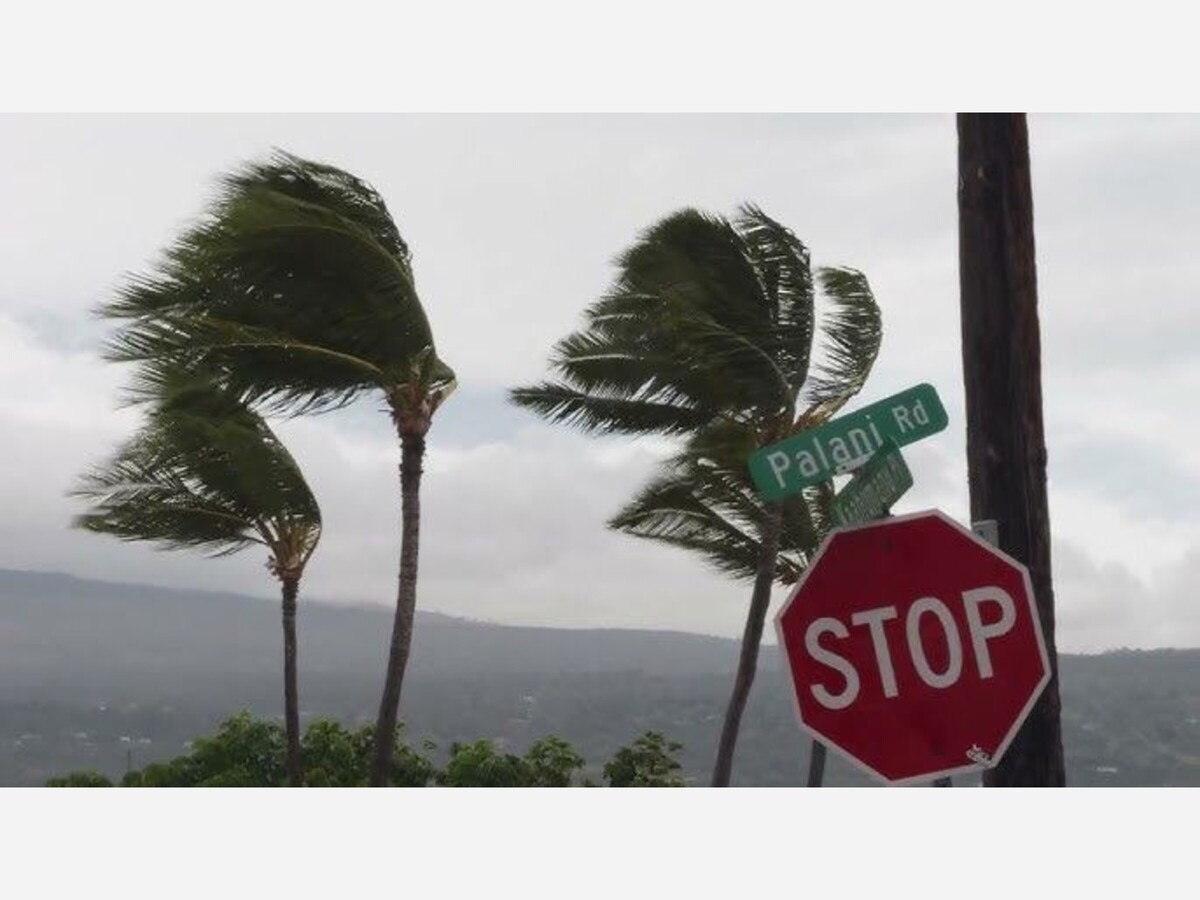



Officials had documented, repeated knowledge of where and how flooding would occur, and failed to fully implement known mitigation measures before another predictable kona low event caused large-scale damage.
The more than $1 billion in destruction across Hawaiʻi in recent weeks is not simply the result of heavy rain. It is the result of decisions—years of decisions—made in the presence of clear, repeated warnings.
Kona low storms are a known quantity. They have a defined pattern, a documented history, and a consistent impact profile: prolonged rainfall, saturated ground, overwhelmed drainage, and flooding concentrated in the same geographic areas. Hawaiʻi has experienced this before, and each time the same locations flood and the same infrastructure fails. That repetition is not incidental; it is evidence.
Officials knew where water would go. Floodplain maps identified it. Historical flooding confirmed it. Engineering reports described the limits of culverts, channels, and stormwater systems. Planning documents outlined exactly what needed to be done: expand drainage capacity, build retention systems, enforce setbacks, restrict development in vulnerable areas, and maintain waterways so they function under stress.
Those measures were not theoretical. They were concrete, actionable, and repeatedly stated.
They were not fully carried out.
Drainage systems remain undersized relative to known rainfall intensity. Urban development has continued to increase runoff into systems already identified as inadequate. Known choke points in drainage networks were not systematically corrected. Maintenance—particularly debris clearing in streams and culverts—has not been consistently executed at the level required to preserve capacity during major storms. Projects identified as necessary have remained delayed, fragmented, or incomplete.
At the same time, exposure has been allowed to persist. Structures remain in low-lying basins, along waterways, and within mapped flood zones. These are the same areas that have flooded in prior events. The continued presence of vulnerable development in these locations is not a discovery made after the fact; it is a condition that was known and left in place.
When the kona low arrived, the outcome followed the established pattern. Water moved through the same channels, overtopped the same systems, and inundated the same types of locations. The scale of damage reflects not just the force of the storm, but the decision to leave known vulnerabilities insufficiently addressed.
This is not a case of being caught off guard. Forecasts identified the storm and its potential days in advance. The mechanism of damage—prolonged heavy rainfall overwhelming limited drainage capacity—was already understood before the first drop fell.
The result was a repeat failure.
Criticism of officials is not speculative; it is grounded in the sequence of facts. Risk was identified. Solutions were defined. Implementation lagged. Exposure remained. Damage followed.
There is also a predictable financial consequence.
Insurance markets do not ignore patterns. When losses recur in the same locations under known conditions, insurers adjust by increasing premiums, restricting coverage, or declining to write policies altogether. Hawaiʻi already operates with structural limits in flood coverage, relying heavily on separate federal programs because standard policies exclude flood damage. Continued large-scale losses under known conditions increase pressure on insurers to reduce exposure further.
If this pattern continues—documented risk, repeated damage, incomplete mitigation—there is a clear path toward reduced insurance availability. That affects lending, property values, and the broader economic stability of affected communities.
The sequence is straightforward: known hazard, known vulnerability, insufficient action, repeated loss.
Much of this could have been avoided.


Overcast, with a high of 79 and low of 73 degrees. Overcast in the morning, partly cloudy overnight.