78° and Cloudy
Image



By Dr. Anton Anderssen
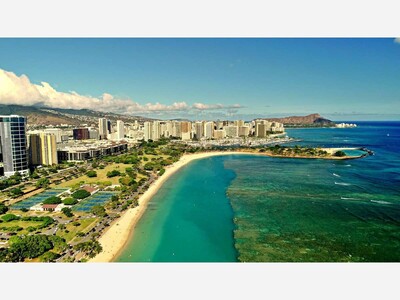
Honolulu residents are once again feeling the effects of volcanic activity hundreds of miles away, as vog—volcanic smog—drifts across the islands from Hawaiʻi Island, irritating eyes, throats, and lungs while muting blue skies into a grayish haze.
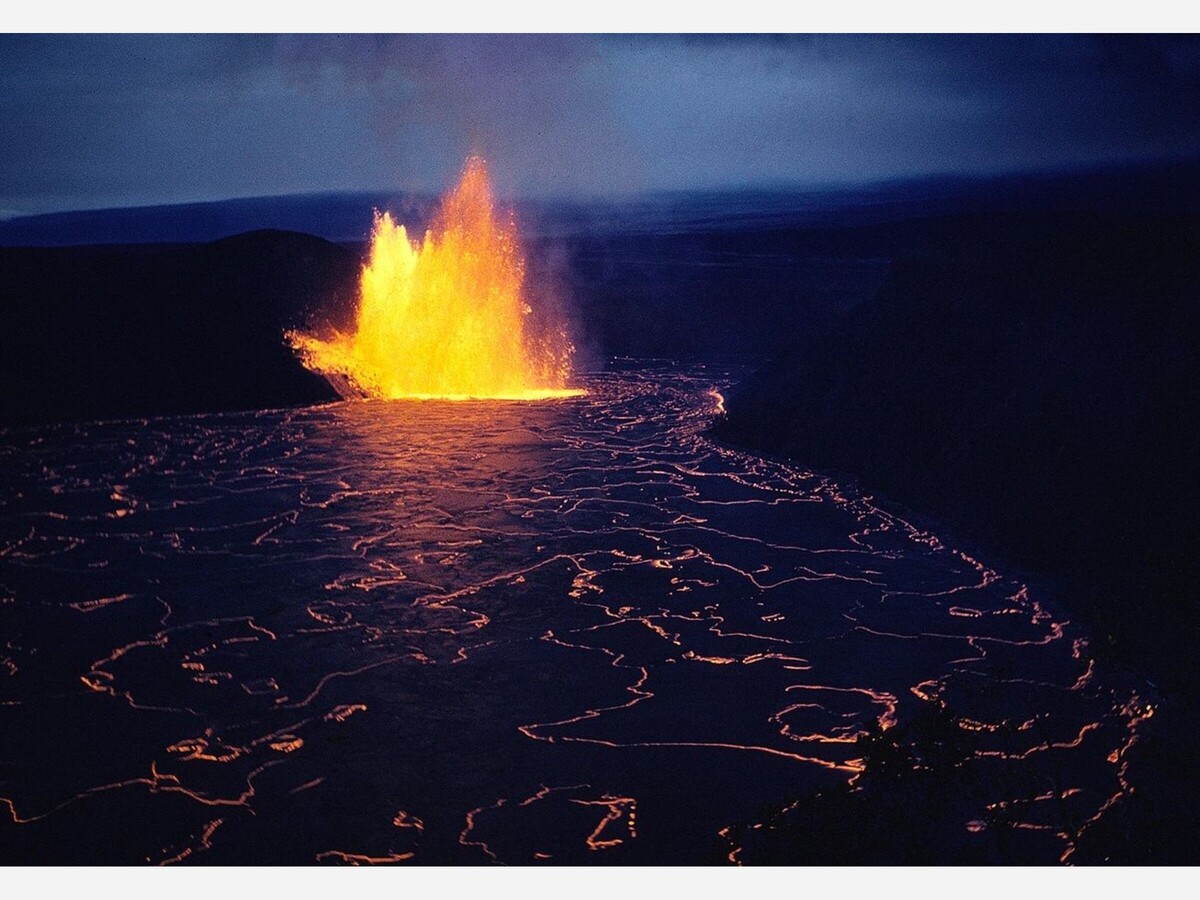
The source is Kīlauea, one of the most active volcanoes on Earth and a defining force in Hawaiʻi’s ongoing geological evolution. The super-active volcano on Hawaiʻi Island right now is Kīlauea, specifically from its Halemaʻumaʻu crater in the summit caldera within Hawaiʻi Volcanoes National Park. This eruption began on December 23, 2024, and has continued throughout 2025 in a series of episodic lava-fountaining events.
These episodes have produced repeated, visually spectacular lava fountains—some reaching over 1,000 feet (more than 300 meters) into the air. While dramatic, the fountains are only part of the story. Each eruptive episode releases large volumes of volcanic gases, particularly sulfur dioxide (SO₂), at levels that are relatively frequent and elevated compared to Kīlauea’s normal background activity.
Volcanologists note that Kīlauea often erupts, but not all eruptions are equal. This phase stands out for its persistence, intensity, and gas output, increasing the likelihood that emissions will travel well beyond the Big Island when weather conditions cooperate.
Vog forms when sulfur dioxide gas released by an eruption reacts in the atmosphere with sunlight, oxygen, and moisture. These chemical reactions create a mixture of acidic aerosols and fine sulfate particles, which can remain suspended in the air for long periods and travel across island chains.
Under typical trade-wind conditions, vog is usually pushed southwest of Hawaiʻi Island and out to sea. However, when trade winds weaken, shift direction, or break down entirely—as they have at times recently—vog can drift north and east. That places Maui, Molokaʻi, and Oʻahu directly in its path.
Honolulu’s urban geography can compound the problem. Temperature inversions, limited airflow in dense neighborhoods, and local pollution sources such as traffic can trap vog closer to the ground, intensifying irritation even when overall air-quality readings are only moderately elevated.
The discomfort many residents are experiencing has clear physical causes:
Sulfur dioxide (SO₂) irritates the eyes, nose, throat, and skin, causing burning, stinging, tearing, and redness.
Fine particulate matter (PM2.5) penetrates deep into the lungs, making breathing more difficult and triggering coughing or wheezing.
Vog can mimic cold or flu symptoms, including headaches, sinus pressure, chest tightness, sore throat, fatigue, and shortness of breath.
People with asthma, chronic obstructive pulmonary disease (COPD), heart disease, allergies, or heightened sensory sensitivity often feel symptoms first and more intensely. However, even healthy individuals may notice discomfort during prolonged vog exposure.
Children, older adults, and those who spend extended time outdoors are considered particularly vulnerable during vog episodes.
While vog is often treated casually, health experts caution that repeated or long-term exposure can have cumulative effects. Studies link fine particulate air pollution—including volcanic PM2.5—to increased emergency room visits, worsened asthma control, and elevated cardiovascular stress.
Vog also affects more than human health. Acidic particles can damage crops, reduce visibility for aviation and maritime traffic, corrode metal surfaces, and accelerate wear on buildings, vehicles, and outdoor infrastructure. On the Big Island, vog has historically impacted agriculture and water catchment systems; when it reaches Oʻahu, its effects are more subtle but still measurable.
Tourism and outdoor recreation can also be affected, as haze obscures views and irritants make beaches, hikes, and events less comfortable.
For personal comfort, residents experiencing burning or stinging eyes may find relief by gently rinsing their eyes with clean water or preservative-free saline drops, avoiding eye rubbing, and spending time indoors with filtered air until conditions improve. Applying a cool, clean compress over closed eyes for several minutes can also help soothe irritation and reduce the burning sensation caused by vog.
Health officials also recommend limiting strenuous outdoor activity during vog episodes, especially during peak afternoon hours, and using air purifiers with HEPA filters indoors when possible. Monitoring local air-quality updates is important, as vog conditions can change rapidly with shifting winds.
For longtime residents, vog is an unwelcome but familiar reminder that Hawaiʻi is still being built—breath by breath—by volcanic forces beneath the islands. Kīlauea’s current activity highlights the reach of those forces, reshaping landscapes on the Big Island while irritating eyes and lungs in downtown Honolulu.
As the eruption continues, officials urge awareness rather than alarm. Vog is not new to Hawaiʻi—but neither is the need to respect it, prepare for it, and take it seriously when the air itself begins to burn.
Image: National Park Service


Overcast, with a high of 78 and low of 73 degrees. Partly Cloudy in the morning, cloudy for the afternoon, overcast for the evening, partly cloudy overnight.