75° and Clear
Image
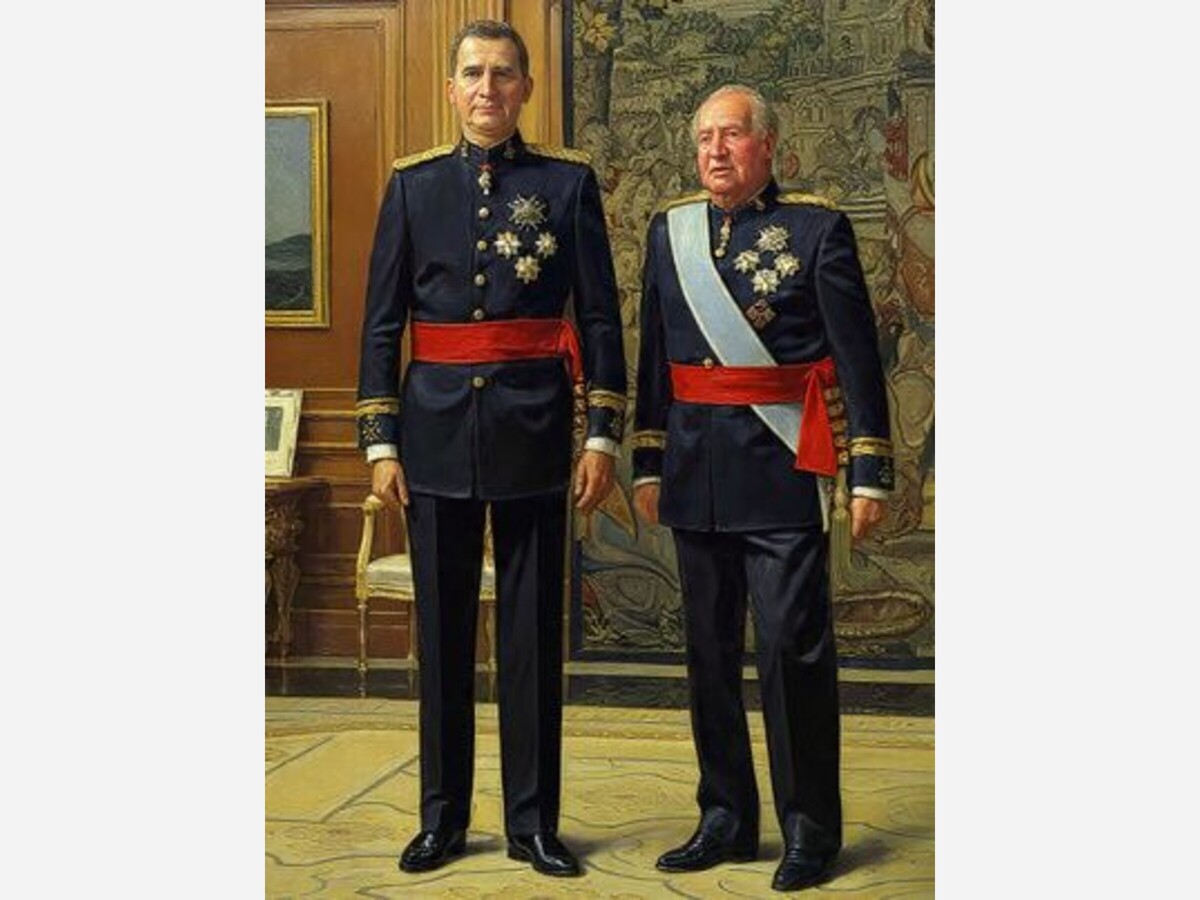


Former Spanish King Juan Carlos Seeks Return to Public Life Despite Long Trail of Scandals
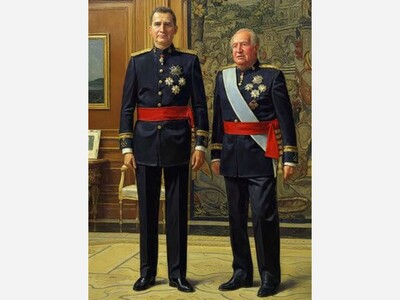
Former King Juan Carlos I, once credited with helping Spain transition from dictatorship to democracy, is attempting to re-enter public life through a newly released memoir. But the attempt comes after more than a decade of damaging scandals — financial, ethical, and personal — that have left much of the Spanish public and political establishment unwilling to welcome him back.
Juan Carlos’s memoir, Reconciliation, arrives at a moment when official commemorations of Spain’s democratic transition have conspicuously excluded him. The omissions reflect not political fashion but a long record of misconduct that deeply damaged both the monarchy and public trust.
In 2012, during the depths of Spain’s economic crisis, the king quietly traveled to Botswana for a luxury elephant-hunting safari. The trip only became public after he fractured his hip and required emergency transport. It also revealed he was accompanied by businesswoman Corinna Larsen, exposing a relationship unknown to the public and widely perceived as inappropriate for a head of state during national hardship.
Another major scandal involved a €65 million payment from Saudi Arabia’s King Abdullah to Juan Carlos in 2008. Critics described the payment as suspicious given ongoing commercial negotiations between Spain and Saudi Arabia.
Juan Carlos transferred the funds to Larsen, who later sued him in the U.K. for harassment. The case was dismissed on jurisdictional grounds, not due to factual findings. Prosecutors in Spain later ended their investigation, citing immunity and the statute of limitations.
While extramarital relationships are not crimes, the sheer number and nature of the allegations eroded the royal family’s credibility. Among the publicly circulated accounts:
A former Miss Spain claimed Juan Carlos paid her for photographs from their private meetings.
A woman featured in a documentary alleged she had intimate encounters with the king in a van parked outside the royal palace.
Intelligence services reportedly spent years attempting to manage and contain the fallout from the king’s personal conduct.
Juan Carlos declined to comment on some allegations and denied others, but the stories contributed significantly to the collapse of his public standing.
After abdicating in 2014, Juan Carlos left Spain for Abu Dhabi in 2020. He now resides there under the hospitality of UAE President Sheikh Mohammed bin Zayed Al Nahyan.
According to his memoir and public reporting, friends helped him settle outstanding tax obligations generated by the investigations into his finances.
King Felipe VI, determined to safeguard the monarchy’s future, has distanced himself from his father’s legacy. He revoked Juan Carlos’s official allowance, removed him from public duties, and sharply limited public appearances.
A palace spokesperson said the former king’s attempted public return is “not necessary or opportune,” reflecting a consensus across much of Spain’s political spectrum.
Juan Carlos is remembered internationally for standing firm against a 1981 coup attempt and endorsing Spain’s democratic transition. Yet his later years fundamentally reshaped how Spaniards view him.
His conduct — personal, financial, and institutional — did more than tarnish a reputation. It demonstrated that royalty itself offers no guarantee of integrity, and that even a king can face public consequences when his actions no longer align with the dignity of the office he once held.
Royalty can be inherited.
Honor cannot.
Once forfeited, it resists restoration — no matter how many titles one once held or how many memoirs one publishes.



Partly Cloudy, with a high of 79 and low of 73 degrees. Overcast in the morning, cloudy in the afternoon and evening, partly cloudy overnight.