78° and Cloudy
Image



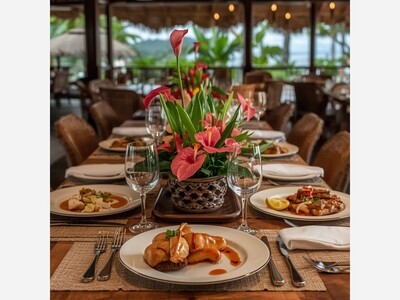
Few topics ignite online debate in Hawaiʻi as reliably as tipping. Recently, a widely shared post declared: “If you cannot afford to tip, you cannot afford to go out.” The statement was framed not merely as etiquette, but as moral obligation—especially in Hawaii where tourists are charged more than locals.
The sentiment is understandable. But the conclusion is flawed.
Tipping, as practiced in the United States, is not a moral law. It is a social convention—deeply entrenched, emotionally charged, and historically contingent. Moral obligations are things like don’t steal, don’t harm, keep your promises. Tipping does not rise to that level. Across much of the world, from Japan to Australia to most of Europe, tipping is minimal, discouraged, or absent altogether. Service workers are paid directly, and the bill is the bill.
What makes the American case different is not morality, but structure.
In much of the mainland United States, the restaurant industry has long relied on customers to subsidize wages through gratuities. In many states, tipped workers can legally be paid far below the standard minimum wage, sometimes just a few dollars an hour, with tips expected to fill the gap. That reality fuels the moral urgency often attached to tipping.
Hawaiʻi, however, does not fit neatly into that narrative.
As of 2025, Hawaiʻi’s standard minimum wage is $14.00 per hour, scheduled to rise to $16.00 in 2026. Employers may take a limited tip credit, allowing a tipped base wage of $12.75 per hour—just $1.25 below the standard minimum. But that is only the starting point.
What truly distinguishes Hawaiʻi is its combined wage rule. State law requires that a server’s direct wages plus tips must average at least $21.00 per hour over the pay period. If tips fall short and that threshold is not met, the employer is legally required to make up the difference. The financial risk does not rest with the server.
This is not optional. It is enforceable law.
That fact matters, because exaggeration is doing much of the work in the moral argument around tipping. When tipping is framed as a test of personal virtue—rather than as a consequence of labor policy—responsibility shifts quietly but decisively away from employers and lawmakers and onto diners. A system that relies on guilt at the table to function is already admitting its own failure.
The familiar claim that “you aren’t hurting the restaurant owner, you’re hurting the server” is emotionally effective, but analytically incomplete. Restaurant owners set wages, pricing, staffing levels, and compliance with labor law. Customers do not. Moral outrage aimed exclusively at tourist diners conveniently bypasses the actors with the greatest power to change outcomes.
None of this is an argument for stinginess. In full-service restaurants, tipping is plainly expected, and failing to tip is widely understood as rude. Most diners already understand this and comply without complaint. But rudeness is not the same thing as immorality, and social norms should not be elevated into ethical absolutes.
The line “If you can’t afford to tip, you can’t afford to go out” sounds decisive, but collapses under scrutiny. It implies that dining out is a moral privilege reserved for those with surplus income, excluding locals on fixed incomes, service workers patronizing their own industry, and residents navigating Hawaiʻi’s extraordinary cost pressures. It reframes a systemic wage problem as an individual moral failing.
Hawaiʻi’s cost of living is indeed extraordinary. That reality deserves serious policy responses: housing reform, wage standards, and transparent pricing that reflects the true cost of service. What it does not deserve is conversion into a blunt moral weapon aimed at diners. Especially when servers in the high-end restaurants are taking home $300 to $500 per night in tips, based on inflated tourist pricing.
Guilt is not a wage system. Shame is not economic reform.
A fairer and more honest approach would be simpler: pay workers living wages, price food accordingly, and allow tips to return to what they were always meant to be—a genuine expression of appreciation, not a compulsory act of moral compliance.
Structural problems deserve structural solutions. Moral seriousness requires clarity, not coercion.



Overcast, with a high of 78 and low of 73 degrees. Partly Cloudy in the morning, cloudy for the afternoon, overcast for the evening, partly cloudy overnight.