76° and Overcast
Image
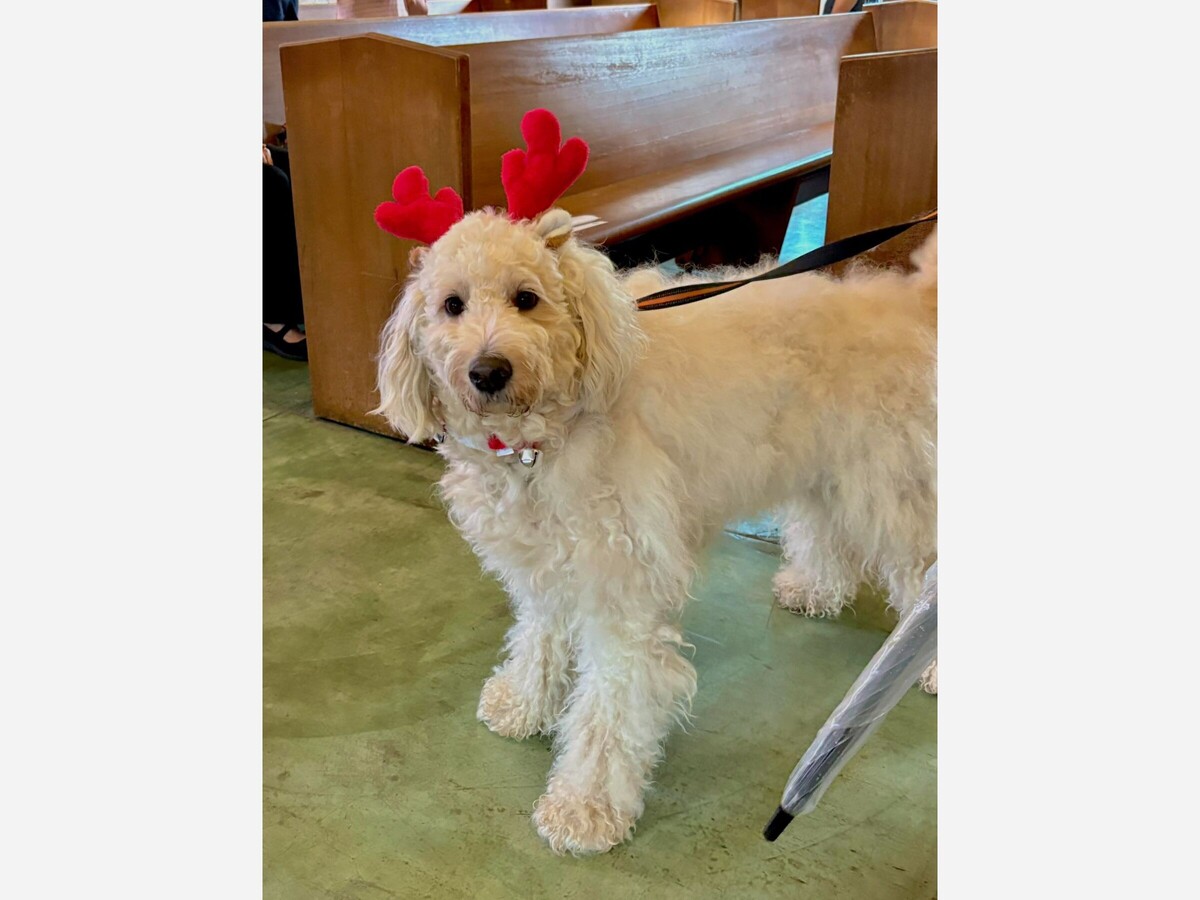



Honolulu — Visitors to The Cathedral of Saint Andrew may notice something quietly reassuring: pets are welcome. For some, that may feel unexpected. For Episcopalians, it reflects a deeply rooted understanding of faith, hospitality, and creation itself — one grounded not in novelty, but in Scripture.
Welcoming animals into church life is not a modern indulgence or a casual bending of rules. It flows naturally from how the Bible itself understands God’s relationship with the created world.
In the opening chapter of Genesis, animals are not an afterthought. They are created intentionally, named specifically, and affirmed by God.
After creating the animals of land, sea, and air, Scripture concludes:
“God saw everything that he had made, and indeed, it was very good.”
(Genesis 1:31, NRSV)
That declaration comes after the creation of animals — meaning they are fully included in what God calls “very good.” Earlier in the chapter, the text makes this explicit:
“God made the wild animals of the earth of every kind… and God saw that it was good.”
(Genesis 1:25, NRSV)
From the biblical perspective, animals are not merely resources or background scenery. They are part of the goodness of creation itself.
The Psalms go even further. They do not merely say that humans praise God for animals — they invite animals themselves into worship.
Psalm 148 issues a sweeping call to praise that includes all of creation:
“Wild animals and all cattle,
creeping things and flying birds!
Let them praise the name of the LORD.”
(Psalm 148:10, 13, NRSV)
In this vision, worship is not limited to people alone. All living beings are part of the chorus of praise, each in their own way.
Another psalm reinforces the scope of God’s care:
“The LORD is good to all,
and his compassion is over all that he has made.”
(Psalm 145:9, NRSV)
That compassion does not stop at the human species.
Within Anglican and Episcopal spirituality, this biblical view has long been expressed through practices such as the Blessing of the Animals, commonly held around October 4 on the Feast of St. Francis of Assisi. These services are not unusual or experimental — they are standard features of parish life across the Episcopal Church.
The Cathedral of Saint Andrew stands firmly within this tradition, affirming that the bond between people and the animals entrusted to their care is worthy of prayer, gratitude, and respect.
Episcopal theology places a strong emphasis on incarnation — the belief that God meets people in the realities of everyday life, not in an abstract or idealized version of it. For many people, pets are family. For some — including seniors, people with disabilities, or those who live alone — an animal may be a primary source of companionship and emotional support.
Welcoming pets, when appropriate and respectful, is understood as an act of pastoral care, not informality.
This does not mean disorder or a lack of reverence. Service animals are always welcome. Well-behaved pets may be present in suitable settings. Clergy and staff maintain an atmosphere that honors both worship and welcome — a balance Episcopalians have been practicing for generations.
The Cathedral of Saint Andrew has long been a spiritual home for a diverse community in Honolulu. By welcoming pets, it quietly embodies a biblical vision that sees creation as interconnected, compassion as expansive, and hospitality as a reflection of God’s own generosity.
In a world that often draws sharp lines about who belongs and who does not, this small but meaningful gesture speaks volumes.
At Saint Andrew’s, the doors are open — not only to people, but to the lives they bring with them.



Overcast, with a high of 79 and low of 73 degrees. Overcast in the morning, partly cloudy overnight.